
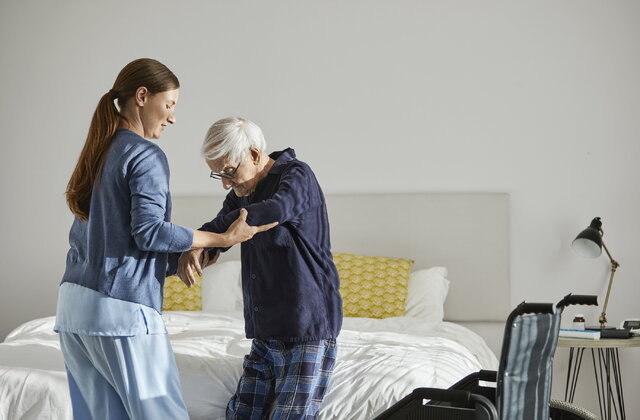
Reduced independence concerns often create tension between two legitimate goals: keeping someone safe and allowing that person to keep making meaningful choices. Families may respond to one fall, forgotten appointment, or difficult household task by taking over far more than necessary.
A better starting point is identifying the specific difficulty and adding support around it.
Separate Actual Risk From General Worry
“I don’t think it’s safe anymore” is too broad to guide a useful decision. Ask what has changed. Is the concern stairs, medication management, transportation, cooking, finances, bathing, balance, or something else?
A specific problem usually allows a more proportionate response. Difficulty carrying laundry downstairs, for example, doesn’t necessarily mean someone cannot prepare breakfast, choose clothing, or manage social plans independently.
Reading broader emotional wellness material may help families think about stress and adjustment, but decisions about safety should be based on observed needs rather than assumptions about age.
Modify the Environment Before Removing Activities
Small environmental changes can sometimes preserve independence. Better lighting, secure handrails, removing trip hazards, easier-to-reach storage, and suitable bathroom supports may reduce unnecessary difficulty.
The National Institute on Aging recommends home-safety measures such as improving lighting, reducing fall hazards, and adding appropriate supports to help older adults remain safer and more independent at home.
Online healthy aging discussions may provide additional perspectives, but home changes should match the person’s actual abilities and environment.
| Concern | Supportive Adjustment | Autonomy Preserved |
|---|---|---|
| Difficult stairs | Rail or alternate setup | Movement choices |
| Medication confusion | Organized tracking | Participation in routine |
| Cooking difficulty | Easier meal setup | Food preferences |
| Fall hazards | Remove clutter/rugs | Independent movement |
Offer Help in Layers
Support doesn’t have to jump directly from fully independent to fully dependent. Some people need transportation but can handle appointments. Others may cook safely but need help shopping.
Ask which tasks are frustrating, risky, or exhausting and which ones remain comfortable. That conversation can uncover practical compromises that preserve choice while addressing genuine concerns.
People exploring general wellness perspectives may encounter many ideas about healthy aging, yet functional decisions are most useful when based on the person’s abilities, preferences, and professional assessment where needed.
Keep the Person Involved in Decisions
Whenever the person can participate meaningfully, discuss options with them rather than around them. A safety change is easier to accept when its purpose is clear and the individual has a say in how it works.
Offering choices also matters. “Would you prefer groceries delivered or help shopping on Friday?” preserves more control than simply announcing that someone else will now buy all food.
Where Families Can Overcorrect
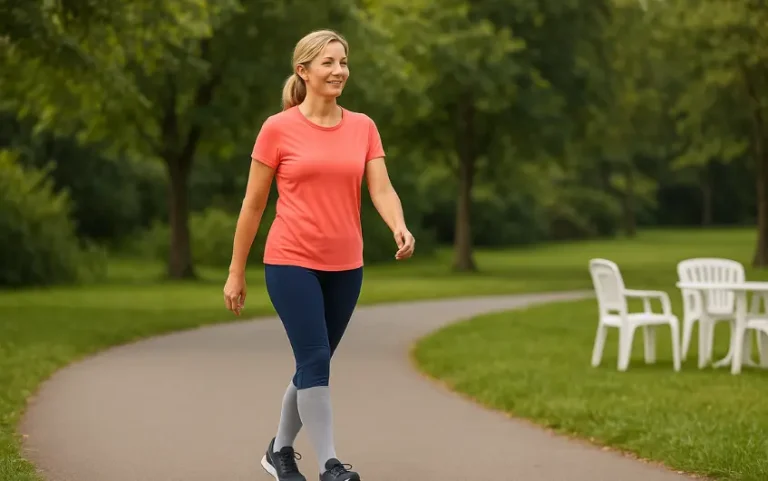
Fear can turn one problem into a blanket restriction. A single fall may lead relatives to discourage all walking, even though inactivity can create its own functional problems.
The opposite mistake is refusing any assistance because independence is treated as all-or-nothing. Accepting help with selected tasks can actually preserve autonomy by making it possible to continue living and participating in preferred ways.
When Does Safety Need Faster Attention?
Prompt assessment is appropriate after repeated falls, sudden confusion, major unexplained changes in walking, frequent medication errors, inability to maintain food or fluids, or other changes that create immediate health concerns.
Emergency symptoms such as severe breathing difficulty, loss of consciousness, sudden one-sided weakness, or serious injury require urgent medical attention rather than a household safety adjustment.
Frequently Asked Questions
Does accepting help mean losing independence?
No. Targeted support can allow a person to continue making choices and handling tasks they can safely manage. Independence isn’t defined by doing every activity without assistance.
How can families discuss safety without sounding controlling?
Focus on a specific observed problem, ask the person’s view, and discuss several possible solutions. Avoid using age alone as evidence that someone can no longer manage an activity.
Can home modifications help someone remain independent longer?
They can in many situations. Removing hazards and making frequently used areas easier to access may reduce unnecessary difficulty, although individual mobility and health needs should also be considered.
Support Ability Instead of Taking It Away
The strongest safety plan protects the person without automatically shrinking their life. Identify the actual risk, adapt the environment, offer assistance where it adds value, and preserve meaningful choices wherever possible.
The goal isn’t independence at any cost or protection at any cost. It is enough support to keep daily life both safer and genuinely personal.
This article is for general informational purposes and is not a substitute for professional medical advice, diagnosis, or treatment.