Match preparation should reduce uncertainty before kickoff, not create more of it. Teams often struggle when tactical instructions arrive late, warm-ups change constantly, players misunderstand responsibilities, or basic equipment and recovery habits are left until the last moment. A repeatable routine can make game day calmer and more focused.
Start Preparation Before Match Day
Preparation begins during the training week. Players should already understand the opponent-related plan, their likely responsibilities, and the key behaviors the team wants to repeat.
The final session is better used for sharpening ideas than introducing an entirely new system. Too much fresh information can leave players thinking instead of reacting.
General team planning resources may offer additional perspectives, but the squad’s own routine should stay consistent enough that players know what is expected each week.
Keep Tactical Messages Short
Players rarely need a long tactical lecture immediately before kickoff. Coaches should identify the few ideas most likely to influence the match.
A fullback might need one reminder about the opponent’s winger. A midfielder may need clarity about pressing triggers. The striker may need to know where the first defensive pressure should begin.
Players can encounter broader match preparation content away from the field, but game-day communication should reduce information rather than pile more onto players.
| Preparation Area | Common Mistake | Better Routine |
|---|---|---|
| Tactical briefing | Too many instructions | Focus on key actions |
| Equipment | Packing at last minute | Check the night before |
| Warm-up | Constantly changing | Use familiar sequence |
| Mental focus | Thinking about everything | Use simple cues |
Make the Warm-Up Predictable
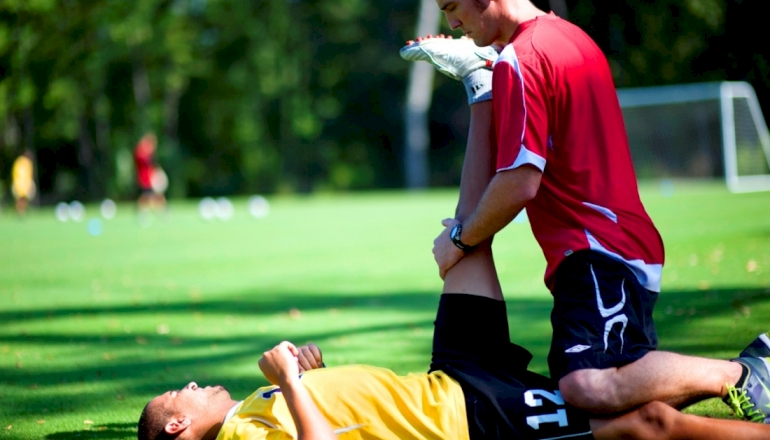
A good warm-up should prepare players physically and mentally without exhausting them. Familiarity helps because players do not waste attention wondering what comes next.
The sequence might progress from movement and mobility into passing, acceleration, and short competitive actions. Exact details can vary, but unnecessary weekly changes often create more noise than value.
Players using broader tactical preparation reading may find new concepts worth discussing later. Match day, however, is usually the wrong time to overload players with unfamiliar tactical ideas.
Give Players Personal Preparation Jobs
Team routines work better when individuals also manage their own responsibilities. Boots, shin guards, hydration supplies, required clothing, and travel details should be handled early.
Players can also develop short mental cues. A defender might focus on “scan, communicate, stay connected.” A midfielder may use “check shoulders before receiving.”
These cues should remain practical. The goal is not to create a complicated ritual that makes players anxious when one part changes.
Where Match Preparation Becomes Overthinking
Preparation can become excessive. Players who analyze every possible situation may arrive at kickoff mentally tired.
Coaches can create the same problem by discussing too many opponent strengths, tactical variations, and worst-case scenarios. Preparation should increase clarity. If the team leaves the meeting with ten different concerns and no clear priorities, the routine has failed. A strong plan tells players what matters most while leaving enough mental space to compete naturally.
Frequently Asked Questions
What should players do the night before a match?
Prepare equipment, confirm travel arrangements, follow normal hydration and meal routines, and avoid leaving tactical study until late. The aim is to remove simple sources of stress before game day begins.
How long should a pre-match team talk be?
There is no single ideal length. It should be long enough to reinforce the main tactical priorities but short enough that players retain the key messages instead of becoming overloaded.
Should every match use the same preparation routine?
The structure can remain consistent while tactical details change. Familiar timing, equipment checks, warm-up stages, and communication routines give players stability even when opponents require different plans.
Arrive Ready to Compete
Good preparation removes avoidable distractions before the first whistle. Build tactical understanding during the week, keep game-day messages focused, and give players routines they can repeat without thinking about every detail. When preparation creates clarity rather than tension, the team can spend its attention on the match itself.