
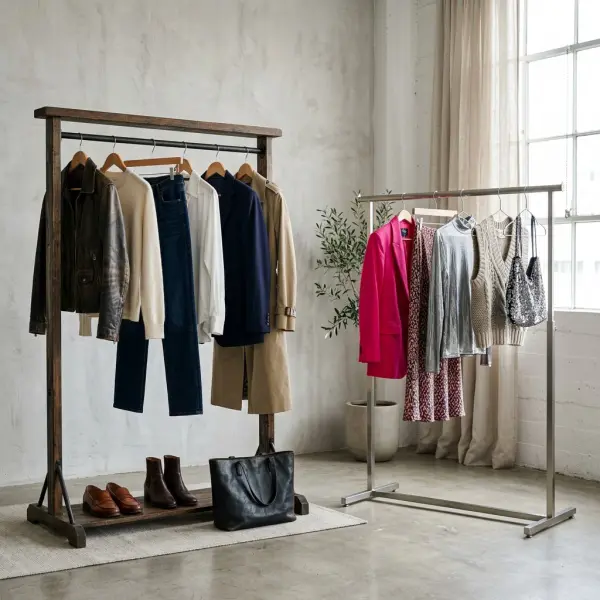
An inconsistent personal style often develops when purchases are based on isolated trends, moods, sales, or admired outfits rather than recurring preferences. You don’t need to dress the same way every day to create consistency. The useful goal is identifying a handful of colors, shapes, materials, and outfit formulas that repeatedly make you feel comfortable and recognizable.
Look for Patterns in What You Already Wear
Your most frequently worn clothes contain better clues than a style quiz. Pull out the pieces you reach for repeatedly and ask what they share.
You may notice that your favorite personal outfit combinations involve relaxed trousers, fitted tops, simple sneakers, or a limited group of colors. Those patterns form a stronger foundation than a fashionable label.
Separate Aspirational Clothes From Real Clothes
Many wardrobes contain clothing for an imagined version of daily life. Beautiful formal pieces may dominate shopping choices even when most days are casual.
Personal style becomes clearer when real routines receive more attention than fantasy occasions.
Create Two or Three Reliable Outfit Formulas
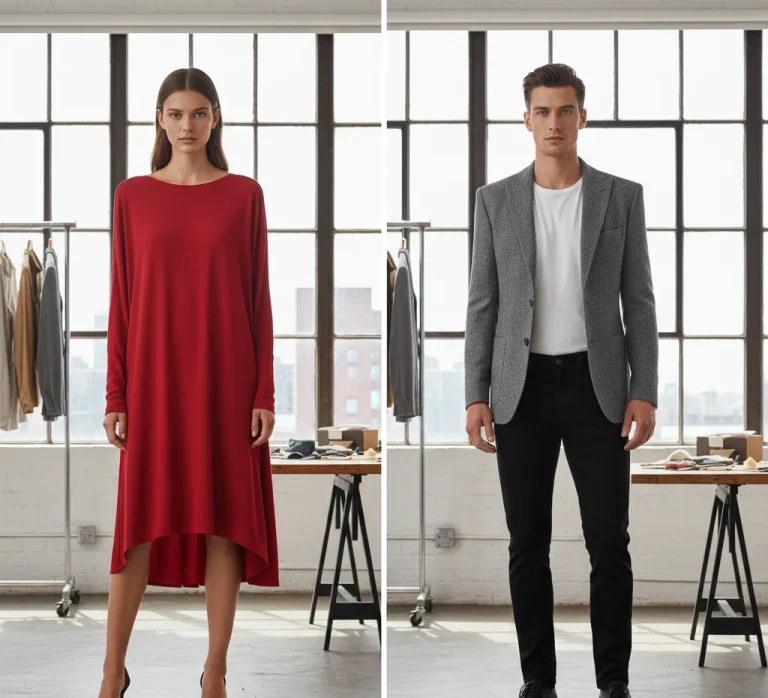
An outfit formula is a repeatable structure rather than a fixed uniform. It might be straight trousers + knit top + loafers, jeans + T-shirt + overshirt, or midi skirt + fitted sweater + ankle boots.
Reviewing repeatable closet formulas can provide ideas, but your formulas should reflect what you actually enjoy wearing. Change colors and individual pieces while keeping the dependable structure.
| Style Element | Question to Ask | Useful Clue |
|---|---|---|
| Silhouette | What shapes repeat? | Preferred proportions |
| Color | Which shades dominate? | Core palette |
| Shoes | What gets worn most? | Lifestyle needs |
| Fabrics | What feels best? | Comfort preference |
Build a Small Core Palette
Consistent style becomes easier when many pieces naturally work together. A core palette doesn’t have to be neutral, but repeating several dependable colors reduces the number of isolated garments.
Ideas from cohesive wardrobe styling may help you notice how repeated shades connect different outfits. Choose colors because you genuinely wear them, not because a capsule wardrobe guide says you should.
Leave Space for Accent Colors
Consistency shouldn’t become monotony. Once core colors are established, a few accent shades can add variety without making the wardrobe feel disconnected.
Think of them as additions to your visual language rather than replacements for it.
Define Your Preferred Level of Polish
Two people can love the same colors and still have completely different personal styles because one prefers relaxed clothing while the other likes sharper structure.
Decide where you naturally sit between casual and formal, minimal and decorative, fitted and loose, classic and trend-driven. These preferences affect almost every purchase and can prevent clothes that look appealing in the store but feel wrong once you bring them home.
Don’t Turn Personal Style Into a Set of Rules
Consistency becomes restrictive when every outfit has to fit a precise aesthetic label. Someone who normally dresses minimally can still wear a colorful print, formal suit, or dramatic accessory without “breaking” their style.
The mistake is trying to create a brand instead of a wardrobe. Personal style should make decisions easier while leaving enough room for changing seasons, occasions, interests, and moods.
Frequently Asked Questions
How long does it take to develop personal style?
There’s no fixed timeline. Style usually becomes clearer through repeated wearing, editing, and noticing which purchases succeed or fail rather than through one major wardrobe change.
Do I need to choose one fashion aesthetic?
No. Aesthetic labels can provide inspiration, but most practical wardrobes combine several influences. Recurring preferences create consistency even when outfits belong to different categories.
How can I avoid buying clothes that don’t fit my style?
Before purchasing, imagine at least three realistic outfits using items you already own. If the new piece requires several additional purchases, it may not connect strongly with your current wardrobe.
Build Consistency Through Repetition
Personal style becomes clearer when you stop chasing a perfect label and start noticing what repeatedly works. Identify your favorite silhouettes, colors, fabrics, shoes, and outfit formulas, then use those preferences as filters when shopping. Consistency will emerge naturally while still leaving enough freedom for experimentation and change.