

Professional presence isn’t created by expensive clothing or constant trend changes. Weak professional presence can develop when outfits regularly look unfinished, inconsistent, uncomfortable, or poorly suited to the setting. Dressing with more consistency means identifying a reliable standard for fit, grooming, color, and formality so your appearance supports your work rather than distracting from it.
Define What Professional Means in Your Workplace
Professional dress varies widely. A law office, technology company, school, design studio, and retail headquarters may expect completely different levels of formality.
Observe the environment rather than copying a generic business wardrobe. Notice the difference between everyday clothing and what people wear for client meetings, presentations, or leadership events.
Build Around a Reliable Baseline
Choose a dependable level of polish you can maintain without excessive effort. That might mean tailored trousers, clean shoes, simple shirts, and a structured layer.
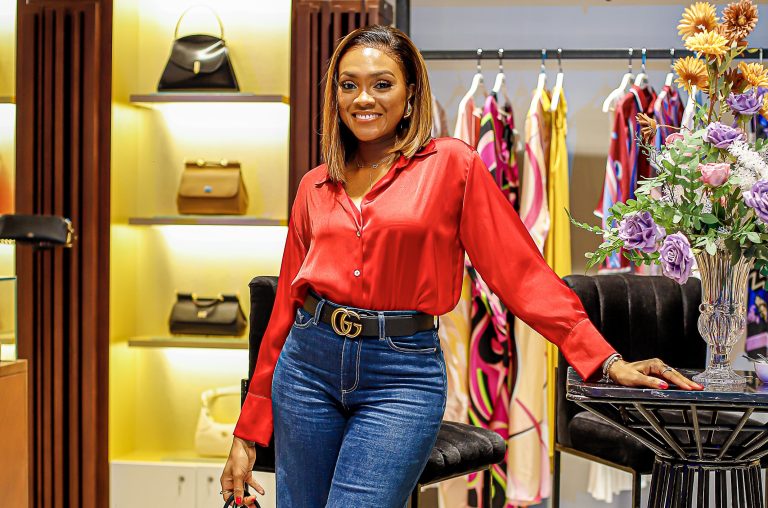
Looking through professional fashion inspiration can help you identify combinations, but consistency should come from a wardrobe that fits your actual routine.
Make Fit the First Standard
An inexpensive garment that fits well often appears more polished than a costly item that pulls, sags, or constantly needs adjustment.
Shoulder seams, sleeve length, trouser hems, waist fit, and shirt tension deserve more attention than logos or trend status.
| Style Detail | Weak Signal | Stronger Approach |
|---|---|---|
| Shirt fit | Pulling or gaping | Comfortable coverage |
| Trousers | Dragging hems | Clean break |
| Shoes | Worn appearance | Maintained condition |
| Layers | Random proportions | Intentional lengths |
Create Repeatable Outfit Formulas
Consistency becomes easier when you stop inventing a completely different outfit each morning. Build a few combinations you know work, then rotate colors or smaller details.
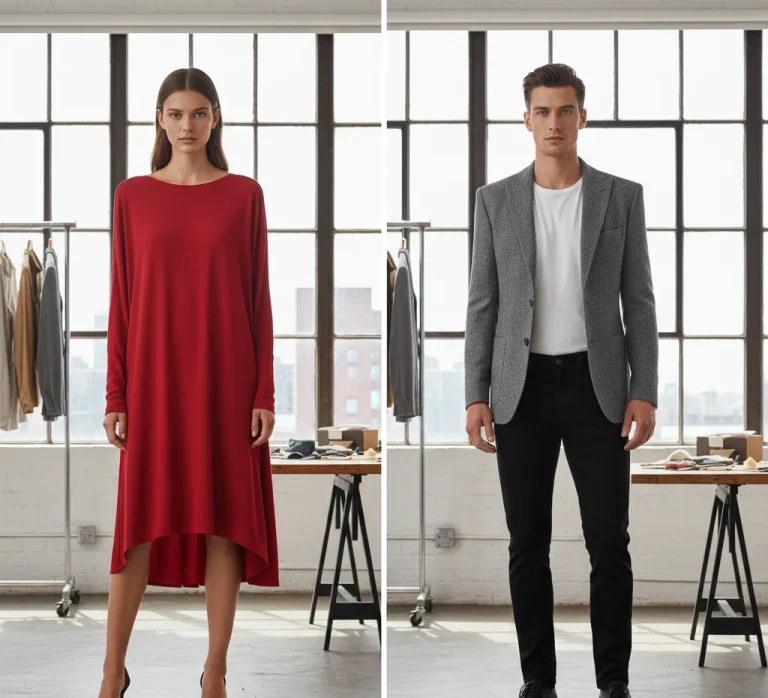
Examples from office outfit resources may inspire formulas such as trousers with a knit and blazer, or a simple dress with structured outerwear.
Keep the Formula Flexible
A formula shouldn’t become a uniform unless you want one. Changing texture, footwear, jewelry, or color can preserve variety while keeping the same overall level of polish.
Pay Attention to Maintenance
Wrinkles, pilling, loose threads, damaged shoes, and missing buttons can weaken the impression of otherwise appropriate clothing. Maintenance often matters more than adding another item to the wardrobe.
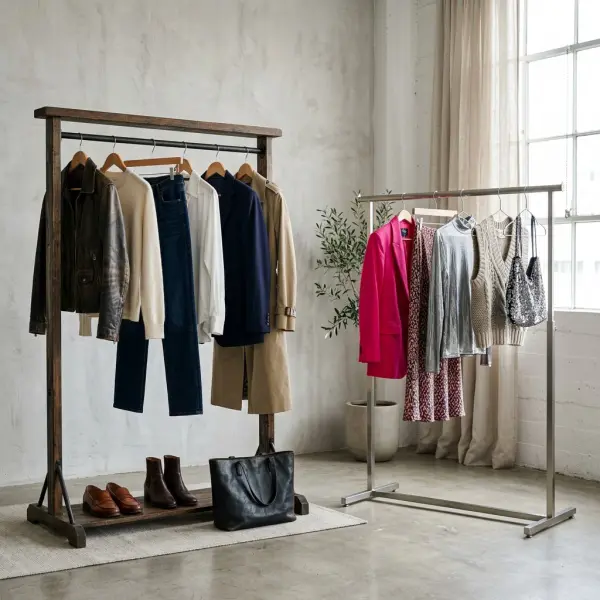
General style planning references can help with outfit ideas, but simple habits such as steaming clothes, checking hems, and preparing shoes the night before usually have a bigger effect on day-to-day consistency.
What Professional Presence Isn’t
Professional presence isn’t about dressing more formally than everyone around you. Being dramatically overdressed can create as much visual disconnect as being too casual.
It also isn’t about hiding personality. The better goal is consistency: clothing that fits, suits the setting, remains comfortable, and reflects a recognizable personal standard. Copying every trend can actually weaken that consistency by making your wardrobe harder to coordinate.
Frequently Asked Questions
Does professional style require expensive clothing?
No. Fit, condition, coordination, and appropriateness usually matter more than price. Simple garments can look polished when they work well together.
How can I look more consistent at work?
Choose a limited color palette, maintain similar levels of formality, repeat reliable outfit formulas, and keep garments and shoes in good condition.
Can personal style still fit professional dressing?
Yes. Color, accessories, textures, silhouettes, and selected statement pieces can express personality while staying within workplace expectations.
Create a Standard You Can Maintain
Professional presence grows from repeated small choices rather than one impressive outfit. Decide how polished you want to look on an ordinary workday, then build clothing habits that make that standard easy to repeat. Prioritize fit, maintenance, appropriate formality, and dependable combinations. Consistency makes your style recognizable, and it removes much of the uncertainty from getting dressed for work.