
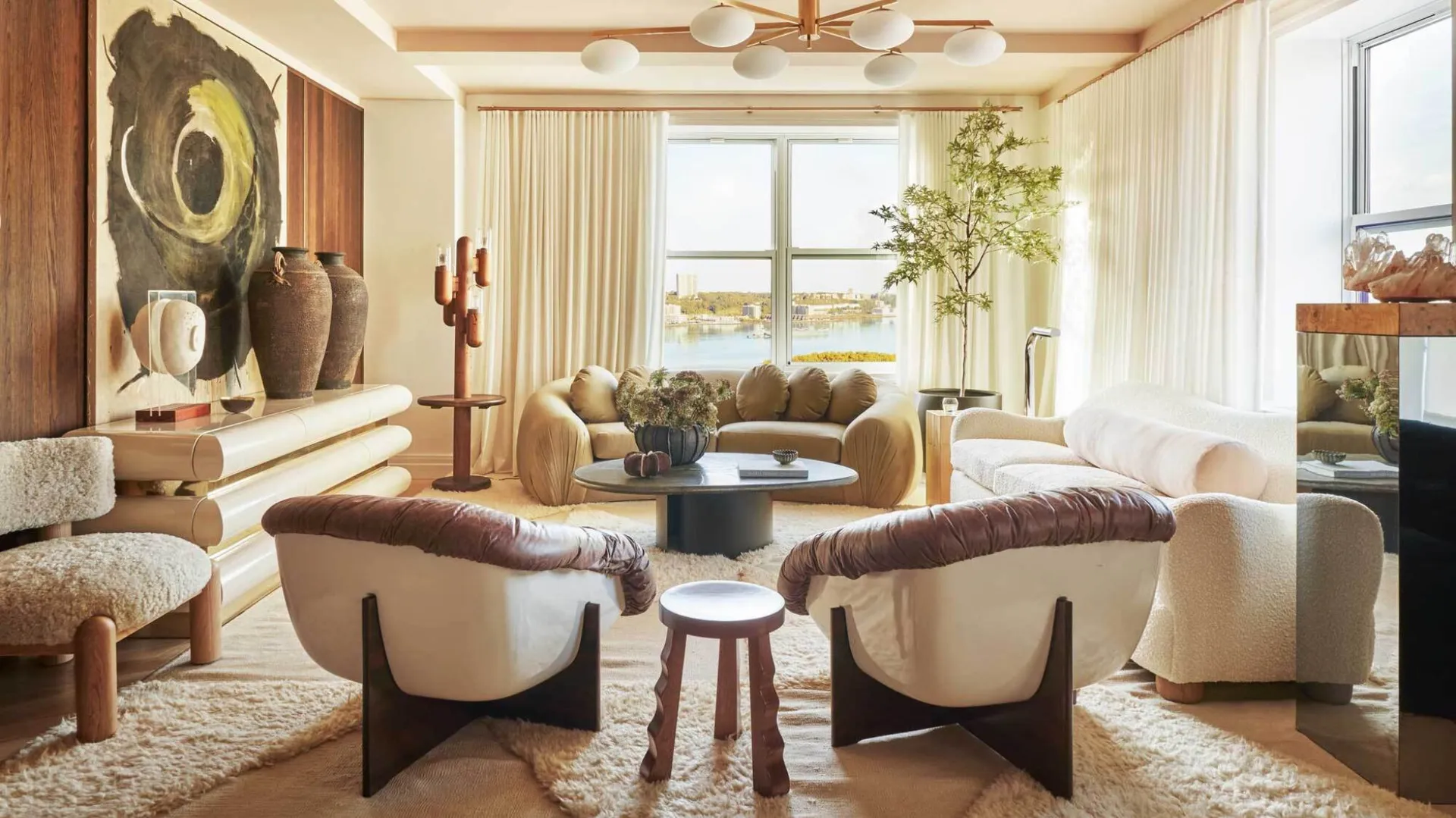
A room can start feeling stale long before its furniture wears out. Dull home interiors often come from familiar layouts, weak contrast, poor lighting, and decorative choices that have slowly lost their impact. Before replacing major pieces, change how the room is arranged, edited, and lit. Many inexpensive adjustments can make existing furnishings feel surprisingly different.
Rearrange Before You Replace Anything
Furniture can lose its visual impact simply because you’ve seen it in the same position for years. Moving a sofa, rotating a rug, changing chair angles, or clearing an unnecessary side table can reveal space you stopped noticing.
Start with circulation. Make sure the main path through the room feels natural, then build furniture groups around how the space is actually used.
Browsing varied home refresh inspiration can help you notice arrangement ideas that depend on proportion and placement rather than constant purchasing.
Change the Smaller Surfaces With the Most Impact
Coffee tables, beds, consoles, shelves, and sofas occupy large parts of your visual field. Small changes to these areas can therefore affect the entire room.
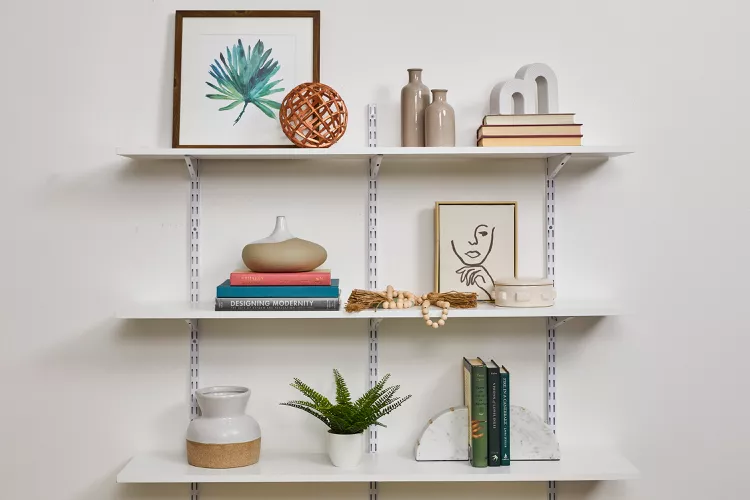
Restyle a coffee table with fewer objects, move artwork from another room, change cushion combinations, or use books you already own as part of a display. Budget decorating ideas can provide additional visual reference when working with existing pieces instead of replacing complete furniture sets.
Shop Your Own Rooms
Objects don’t have to remain where they were originally purchased for. A lamp from a bedroom may work better in the living room, while a neglected vase may become useful on a dining console.
| Low-Cost Change | What It Alters | Effort Level |
|---|---|---|
| Rearrange furniture | Flow and proportion | Moderate |
| Move existing art | Focal points | Low |
| Restyle surfaces | Visual clutter | Low |
| Adjust lighting | Mood and depth | Low |
Improve Lighting Before Buying More Decor
Poor lighting can flatten attractive furniture, making color and texture harder to appreciate. One ceiling light rarely creates enough variation for a comfortable interior.
Move existing lamps into darker corners or near reading areas before buying additional fixtures. Comparing indoor rooms with affordable exterior upgrades can also sharpen your awareness of how lighting, spacing, and a few concentrated changes often produce more impact than covering every surface with new additions.
Switching bulb temperature or repositioning a lampshade may be enough to change the evening atmosphere.
Where Cheap Refreshes Can Go Wrong
Low-cost decorating becomes expensive when it turns into frequent impulse buying. Ten inexpensive accessories you don’t need may cost more than one useful item chosen after identifying the actual problem.
Trend-driven purchases can also make a room feel dated faster. Before buying anything, decide whether the room lacks color, texture, function, light, or stronger arrangement.
Once you identify the weakness, make one targeted change. Otherwise, new objects may simply create more clutter around the furniture you already disliked.
Frequently Asked Questions
How can I refresh a room without buying new furniture?
Rearrange furniture, move artwork between rooms, edit decorative displays, improve lighting, rotate textiles, and remove unnecessary pieces. Changing relationships between existing objects can make a room feel significantly different without replacing its major furnishings.
What inexpensive change makes the biggest difference?
The strongest option depends on the room. Furniture arrangement can improve flow, while lighting changes can alter atmosphere immediately. In visually crowded rooms, removing or regrouping accessories may have more impact than adding something new.
How often should home decor be updated?
There is no required schedule. Change a room when its function no longer works, the layout feels tired, or your preferences have shifted. Regular editing is usually more useful than replacing decorations according to seasonal trends.
Make Existing Pieces Work Harder
Give yourself a no-shopping round before planning a larger makeover. Rearrange furniture, move lamps, rotate art, clear crowded surfaces, and borrow decorative pieces from other rooms. After living with those changes, the remaining weaknesses become easier to identify. Spend money only where it solves a real problem, and let everything else earn a second life through better placement.