
A gearbox oil leak can slowly remove the lubrication that bearings, gears, shafts, and synchronizers need to survive. Gearbox oil leaks often begin around seals, gaskets, plugs, housings, or shaft openings. A small stain may seem harmless, but continued fluid loss can increase friction, heat, noise, and wear inside the transmission.
Identify the Fluid Before Repairing Anything
Not every fluid spot under a vehicle comes from the gearbox. Engine oil, coolant, brake fluid, power-steering fluid, and automatic transmission fluid may collect in similar areas after running along surrounding components.
Color and location can provide clues, but fluid identification isn’t always obvious after dirt and heat change its appearance. Cleaning the area and tracing fresh leakage is usually more reliable than judging an old stain.
Check Where the Leak Starts
Airflow can push leaking oil rearward while the vehicle is moving. The wettest component isn’t automatically the original source, so inspection should begin above and forward of the visible drip whenever possible.
Seals and Gaskets Are Common Leak Points
Input shafts, output shafts, axle openings, selector shafts, covers, and housing joints often rely on seals or gaskets to retain lubricant. Age, heat, shaft movement, damaged sealing surfaces, or poor installation can eventually allow fluid to escape.
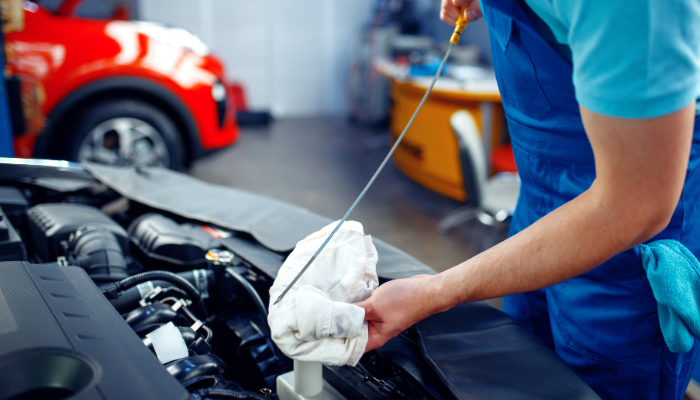
Routine vehicle maintenance checks make it easier to spot fresh moisture before enough lubricant disappears to create obvious gearbox symptoms.
A seal replacement also requires checking why it failed. Excessive shaft play or a blocked breather can cause a new seal to leak again.
Low Lubricant Can Damage Bearings and Gears
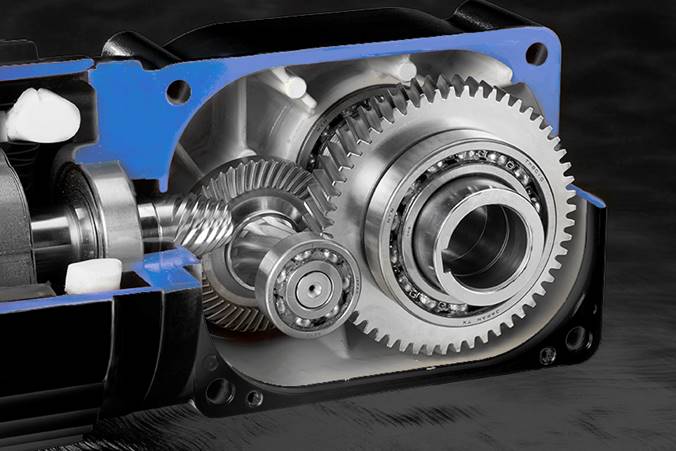
Manual transmissions and gearboxes depend on the correct lubricant to create a protective film between loaded metal surfaces. Once the level becomes too low, bearings and gear teeth may operate with inadequate lubrication.
Broader vehicle care planning should treat a persistent gearbox leak as more than a cosmetic issue because lubrication loss can eventually change noise, temperature, and shifting quality.
| Leak Location | Possible Component | Related Clue |
|---|---|---|
| Output area | Shaft seal | Oil near driveshaft |
| Axle opening | Axle seal | Wetness around CV area |
| Housing joint | Gasket/sealant | Seepage along seam |
| Drain/fill plug | Washer or threads | Localized dripping |
Look Beyond the Gearbox Housing
Oil can spread across underbody panels, suspension parts, and nearby drivetrain components. That makes locating the original leak harder after highway driving.
During inspection, technicians may also examine tires and surrounding wheel areas if leaked fluid has traveled toward an axle or wheel assembly. Contamination near braking components deserves particular care because braking surfaces must remain clean.
Why Simply Topping Up Isn’t a Repair
Adding lubricant can temporarily restore the correct level, but it doesn’t stop the source of the loss. A leak that repeatedly requires topping up can eventually worsen or leave the gearbox low between checks.
Overfilling is another poor solution. Excess fluid may foam, create additional pressure, or escape through vents and seals depending on gearbox design. The correct repair is to locate the leak, fix the failed sealing point or underlying mechanical problem, then refill using the manufacturer’s specified lubricant and level procedure.
Frequently Asked Questions
Can I drive with a small gearbox oil leak?
A minor seep may not cause immediate failure, but the fluid level can continue falling. The leak should be located and the level checked rather than relying on the size of the stain to judge how much lubricant remains.
What happens when gearbox oil gets too low?
Insufficient lubricant can increase friction, heat, bearing noise, gear wear, and shifting problems. Severe lubricant loss may eventually damage internal components, especially when the gearbox is operated under heavy load.
Why does a new gearbox seal start leaking again?
A replacement seal can fail if the shaft surface is damaged, bearings allow excessive movement, installation is incorrect, or pressure builds inside the housing. Finding the underlying cause helps prevent repeat leakage.
Stop the Leak Before Lubrication Becomes the Bigger Problem
A gearbox leak is usually cheaper to address before low lubricant begins damaging bearings and gears. Trace the fluid to its true source, inspect related shafts and vents, repair the failed sealing area, and restore the correct oil level with the specified lubricant. Treat fresh seepage as an early warning rather than waiting for shifting trouble or mechanical noise.