
Unstable idle speed may appear as surging RPM, shaking, stumbling, or repeated changes while the accelerator is untouched. The cause may involve unwanted air entering the engine, deposits around the throttle, ignition faults, fuel problems, or incorrect sensor information.
The best troubleshooting approach is to observe the idle pattern and test likely systems rather than adjusting parts randomly.
Look for Vacuum and Intake Leaks
Air entering the engine after the airflow measurement point can disturb the mixture at idle. Cracked vacuum hoses, damaged intake boots, leaking gaskets, and disconnected lines are common areas worth inspecting.
Anyone comparing idle troubleshooting resources should focus on the physical symptoms as well: hissing noises, lean-condition codes, elevated fuel trims, or idle speed that changes when engine load varies.
A smoke test can help locate small intake leaks that are difficult to see.
Inspect the Throttle Body Carefully
Carbon and oily deposits can collect around the throttle plate and bore. On some engines, those deposits interfere with the small airflow amount needed to maintain stable idle speed.
Useful engine airflow information may explain why throttle cleanliness matters, but cleaning procedures differ between mechanical and electronic throttle systems.
Before cleaning, switch the engine off and follow the vehicle’s service procedure. Do not force an electronic throttle plate if the manufacturer warns against manual movement.
| Idle Behavior | Possible Cause | Useful Test |
|---|---|---|
| High idle | Vacuum leak | Smoke test |
| Surging RPM | Airflow or control issue | Scan live data |
| Rough low idle | Misfire or deposits | Ignition inspection |
| Idle changes with load | Control response | Charging and sensor checks |
Check Sensors and Engine Data
The engine computer relies on information from sensors to calculate fuel delivery and idle control. Incorrect readings from airflow, temperature, throttle-position, or related sensors may cause the computer to respond to conditions that do not actually exist.
Broader engine sensor references can help explain those relationships, while a scan tool allows actual values to be compared with expected engine conditions.
A sensor code should be treated as a diagnostic clue. Wiring, connectors, vacuum leaks, and power-supply problems can sometimes trigger codes without the sensor itself being defective.
Rule Out Ignition and Fuel Problems
Idle makes small combustion irregularities easy to feel. A weak ignition coil, worn spark plug, leaking injector, restricted injector, or incorrect fuel pressure can create shaking even when engine speed on the tachometer does not move dramatically.
Check misfire data and maintenance history before assuming the throttle body is responsible.
Consider Electrical Load
Turning on headlights, air conditioning, rear defrost, or steering-related loads can change engine demand. A healthy control system normally compensates.
If the idle drops sharply or surges whenever electrical loads appear, charging-system condition and idle-control response deserve attention.
Where Cleaning Alone Goes Wrong
Throttle cleaning is often recommended for unstable idle, but deposits are only one possible cause. Cleaning a relatively clean throttle body will not fix a vacuum leak, weak coil, faulty injector, or incorrect sensor signal.
Another problem is using aggressive cleaners on sensitive components without checking the correct procedure. Diagnosis should come first. Clean a component because inspection supports the decision, not because cleaning is cheaper than testing.
Frequently Asked Questions
Can a vacuum leak cause unstable idle speed?
Yes. Unmetered air can disturb the air-fuel mixture most noticeably at idle, causing high, rough, or fluctuating RPM. Smoke testing can help locate leaks that are difficult to identify visually.
Will cleaning the throttle body fix rough idle?
It can help when deposits are interfering with airflow, but it will not correct every idle problem. Ignition, fuel delivery, vacuum leaks, and sensor faults should also be considered.
Can a weak battery affect engine idle?
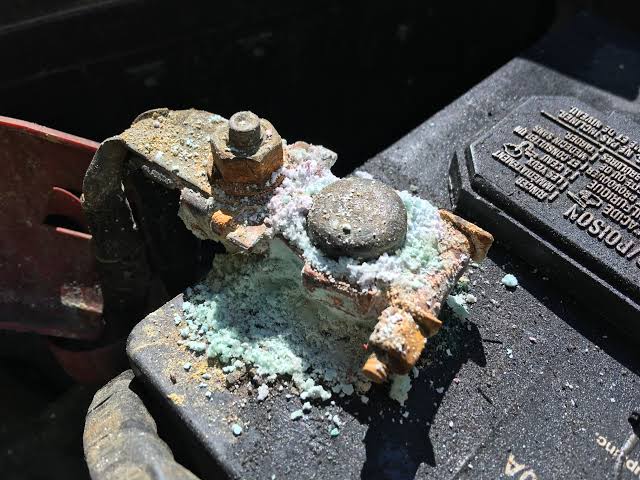
Low system voltage or charging problems can interfere with electronic controls and increase engine load. If idle changes noticeably with electrical accessories, checking battery and alternator condition may be worthwhile.
Follow the Evidence Before Replacing Parts
Unstable idle speed usually becomes easier to diagnose when the conditions are recorded carefully. Inspect intake plumbing, check for vacuum leaks, examine throttle deposits, scan live sensor data, and look for ignition or fuel irregularities. A measured approach can restore smooth idling without turning a small drivability problem into an expensive parts-swapping exercise.